
Fort Myers, FL · Se Habla Español
A deep chip, crack or cavity can expose the tooth's pulp, and a fast, conservative response may save the natural tooth.
A small chip or crack in your tooth can sometimes reach far deeper than it looks, exposing the sensitive pulp tissue inside and putting your tooth’s long-term health at risk. When this happens, a fast and precise response can mean the difference between saving your natural tooth and needing a root canal or extraction down the road.

Pulp capping is a procedure used to protect the soft tissue inside your tooth, known as the pulp, after it has been exposed or come close to exposure from decay or an injury. During the procedure, your dentist places a biocompatible material directly over the affected area to seal it off from bacteria and encourage the tooth to heal on its own.
There are two main types of pulp capping. Direct pulp capping is used when the pulp itself has been exposed, while indirect pulp capping is used when decay comes close to the pulp but has not fully reached it. According to the American Academy of Pediatric Dentistry, protective liners and indirect pulp treatment can be placed over the remaining affected dentin to stimulate healing and preserve the tooth’s vitality. This approach allows many teeth to keep their natural nerve tissue rather than requiring a root canal.
The American Dental Association has noted that pulp capping success rates vary based on factors such as capping material, patient age, and the extent of pulp exposure, underscoring the importance of early diagnosis and individualized treatment planning.
Smiles of Fort Myers offers restorative dentistry designed to protect your teeth and preserve their function whenever possible. Our team takes a conservative approach to treatment, working to save the natural structure of your tooth before considering more invasive options.
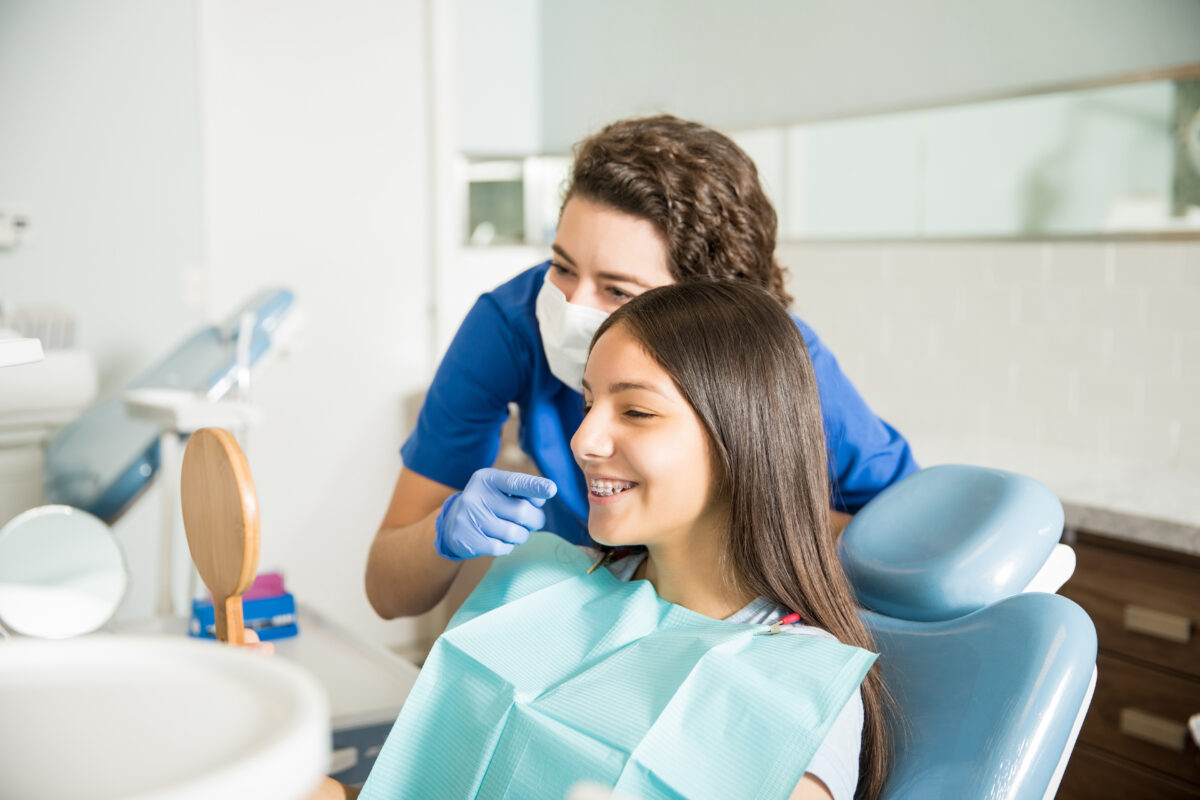
Keeping your natural tooth structure intact offers real advantages over removing the pulp entirely. A tooth that retains a healthy, living pulp tends to stay stronger and more resistant to fracture over time, and it continues to receive nourishment and sensation the way nature intended.
Pulp capping can also help you avoid more extensive treatment. When decay or a fracture is caught early enough, a pulp cap may prevent the need for a root canal or extraction altogether. Catching these issues early depends on regular exams and cleanings, since many patients do not notice a problem until pain sets in.
You may not always know when your pulp is at risk, which is why routine visits with your dentist matter. Still, there are some signs worth watching for between appointments.
If you notice any of these signs, reaching out sooner rather than later gives us the best chance to save your tooth with a conservative treatment.
Deep cavity close to the nerve?
Call our Fort Myers office to learn whether pulp capping could help save your tooth. We speak English and Spanish.
Call (239) 236-4475
Every pulp capping procedure starts with a thorough examination, often including digital X-rays, so your dentist can determine the extent of the decay or damage and confirm that the pulp is healthy enough to heal. Once the area has been cleaned and prepared, the biocompatible capping material is placed directly over the affected area to form a protective barrier.
After the material is set, your tooth is restored with a filling or crown to seal it from bacteria and restore its normal function. Recovery is typically straightforward, and most patients return to their usual routine the same day. Your dentist will let you know if any follow-up visits are needed to confirm the tooth is healing as expected.

We understand that dental work can cause anxiety. Many people have sensitive teeth, and even regular cleanings may result in uncomfortable situations. With that in mind, we know that many patients are worried that any procedure involving the pulp will be uncomfortable. The team at Smiles of Fort Myers works hard to ensure that our pulp capping procedure is a gentle, straightforward experience. Your dentist will numb the area beforehand, so you should feel little more than mild pressure while the tooth is being prepared and the capping material is placed.
Some mild sensitivity in the days following treatment is normal as your tooth begins to heal, but this typically fades on its own within a short time. If discomfort lingers or worsens, it is worth letting your dentist know right away, since this can be an early sign that the tooth needs further evaluation.
Our dentists bring a conservative, patient-first philosophy to every procedure, always looking for ways to preserve your natural tooth structure before recommending more involved treatment. With training in operative and restorative dentistry, our team is equipped to catch problems early and address them with the least invasive option available.
Smiles of Fort Myers is committed to creating healthy smiles and improving the lives of our patients through personalized, comfortable care. If you are dealing with tooth sensitivity, a recent injury, or a cavity that may be close to the nerve, reach out to our team to schedule an evaluation and find out if pulp capping is the right option for you.
We speak English and Spanish. Se habla español.

We’ll review the cost with you after your exam. See our Smile Program and financial information.
Ready to Restore Your Smile?
Call our Fort Myers office or request an appointment online. We speak English and Spanish. Se habla español.

Completed a two-year postdoctoral residency at AEGD NYU Langone dental medicine, with advanced training in endodontics, oral rehabilitation, pain management, and infection control. Fluent in English and Spanish.
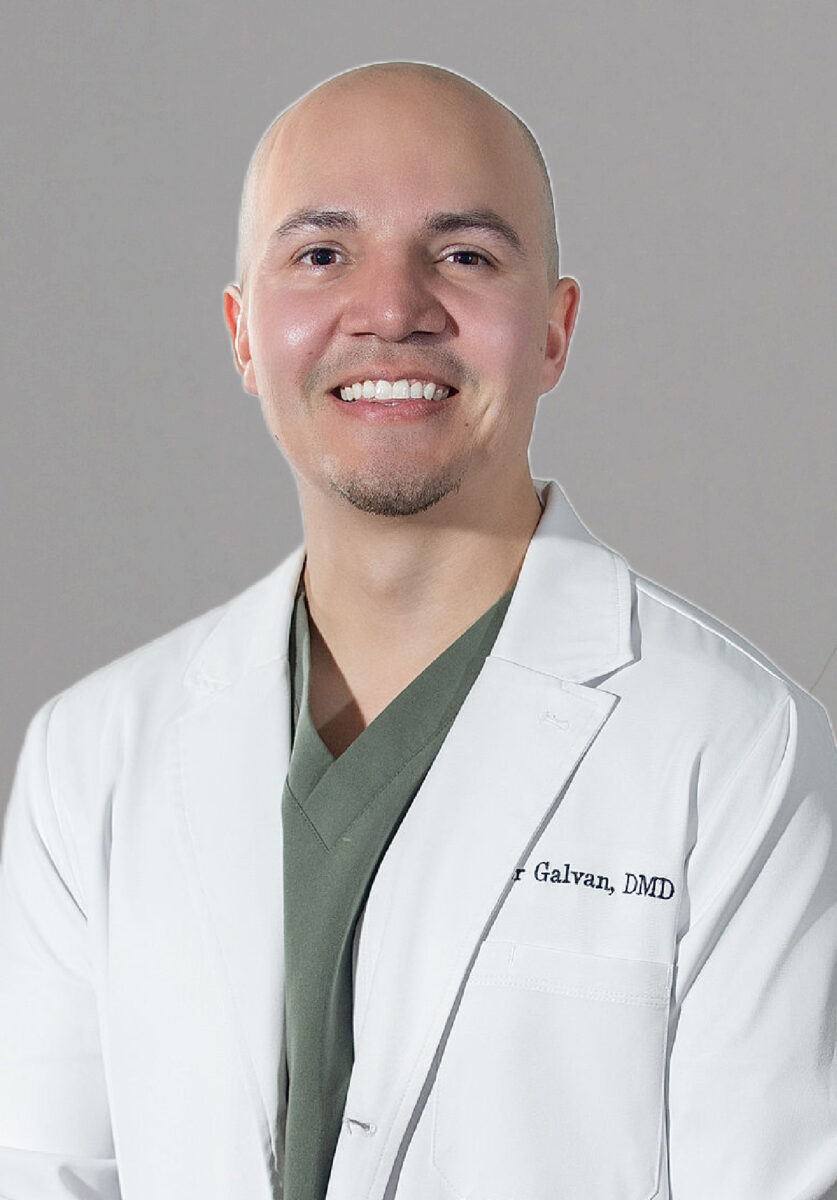
Earned his Doctor of Dental Medicine at the University of Florida after a ten-year nursing career. Fellow of the International Congress of Oral Implantology, with advanced training in implant dentistry and IV sedation. Fluent in English and Spanish.