
Fort Myers, FL · Se Habla Español
Tooth-colored fillings designed to be inconspicuous and natural in appearance, with options planned around how much of your tooth is damaged.
Newer fillings are generally composite fillings, dental restorations designed to be inconspicuous and natural in appearance. Dental restoratives, more commonly known as fillings, can be direct or indirect, and the right type depends on how much of your tooth is damaged. Nearly 90 percent of adults ages 20 to 64 have had decay in their teeth, according to the National Institute of Dental and Craniofacial Research, which is why fillings are one of the most common dental treatments.
At Smiles of Fort Myers, our dentists will walk you through your options for restoring a tooth in Fort Myers, FL, from a simple tooth-colored filling to an inlay or onlay when more of the tooth needs support. If decay has progressed deep enough to reach the nerve, a filling alone may not be enough, and we may recommend root canal treatment in Fort Myers to save the tooth before restoring it.

Direct fillings are placed in a single visit, while indirect fillings generally require two or more visits.
Placed in a single visit. They include silver amalgam, glass ionomers, resin ionomers, and composite (resin) fillings.
Generally require two or more visits. They include inlays and onlays, which are used when a tooth has too much damage to support a filling but not enough to need a crown.
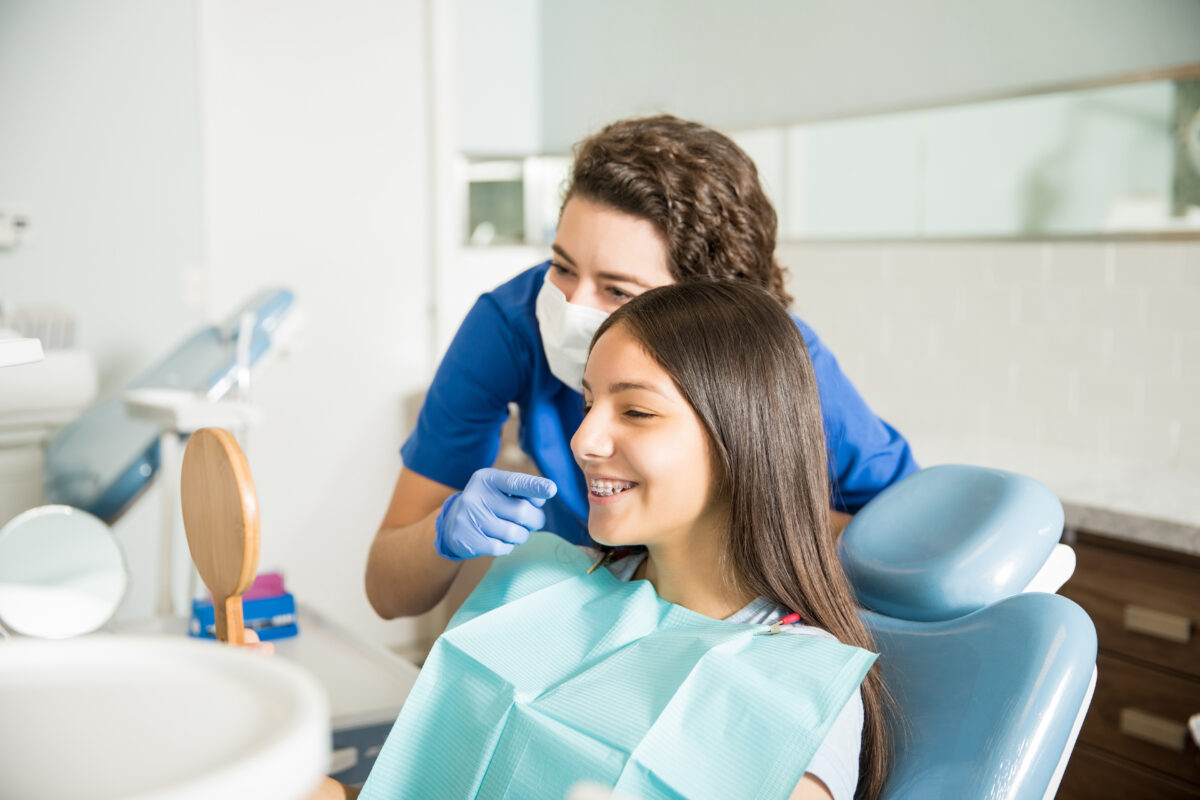
Traditional fillings are most often made of silver amalgam, whose strength and durability make it useful where restored teeth must withstand the extreme forces of chewing, typically in the back of the mouth.
| Factor | Composite (Tooth-Colored) | Silver Amalgam |
|---|---|---|
| Appearance | Blends well with the teeth and looks natural | Darker and more easily seen by other people |
| Made Of | Ceramic and plastic compounds that chemically bond to the teeth | Silver amalgam |
| Tooth Structure | Allows dentists to preserve more of the natural tooth | Valued for strength and durability |
| Common Use | Cavities, plus chipped or broken teeth, including front teeth and molars | Back teeth that take heavy chewing forces |
Most dentists use composite restorations to treat the teeth closest to the front of the mouth, as they are more noticeable when patients smile. Advancements in dental technology and the composition of composite fillings have also made it possible to use tooth-colored fillings on molars, which receive more wear than other teeth.
Have a cavity or a worn filling? Talk with our team about your options.

Composite materials chemically bond to the surface of the tooth like an adhesive, and the process takes slightly longer than a traditional amalgam filling, but you keep more of your natural tooth. Here is how the visit works.
A local anesthetic numbs your gums and teeth near the site of the filling.
The decayed or damaged portion of the tooth is removed to make room for the filling.
Resin is placed over the area and cured with a hand-held light for less than a minute.
The new filling is shaped and polished to finish the procedure.

The cost of a filling depends on the material you choose, the size of the cavity, and how many teeth need treatment, so an exam is the best way to get an accurate number. We accept most insurance plans, though coverage varies from plan to plan, and our team can check your benefits before treatment begins.
We also offer 0% APR financing and our in-house Smile Program membership plan for patients without insurance, and you can find more details on our financial information page.
If you are ready to talk through your options with our dentists, we would be glad to walk you through what a filling or bonding treatment could look like for you. Composite materials can also help repair chipped or broken teeth, and you can read more on our chipped tooth repair page. Contact our office to schedule your visit.
We speak English and Spanish. Se habla español.

Completed a two-year postdoctoral residency at AEGD NYU Langone dental medicine, with advanced training in endodontics, oral rehabilitation, pain management, and infection control. Fluent in English and Spanish.
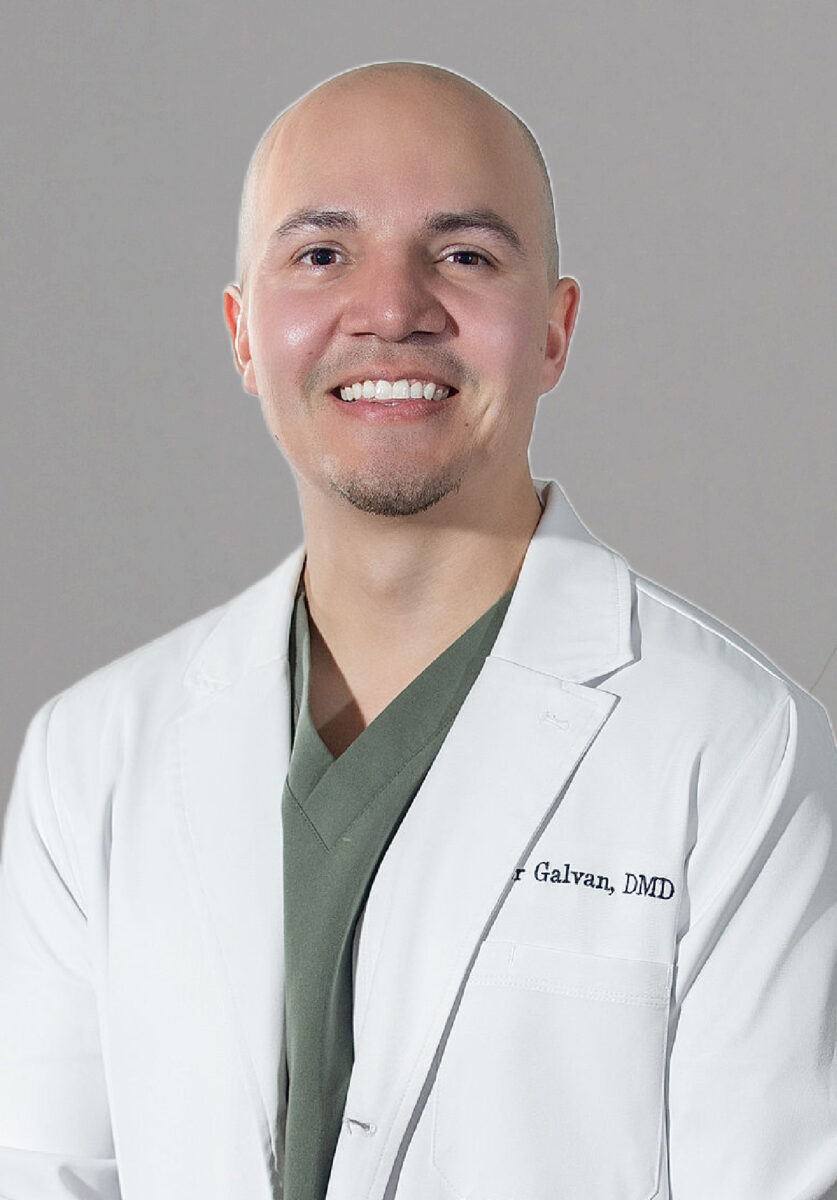
Earned his Doctor of Dental Medicine at the University of Florida after a ten-year nursing career. Fellow of the International Congress of Oral Implantology, with advanced training in implant dentistry and IV sedation. Fluent in English and Spanish.